

etched sandblasted glass
The Set of 3 Spirit Levels An Essential Tool in Craftsmanship In the world of craftsmanship and construction, precision is key. Whether you are building a house, installing shelves, or hanging artwork, ensuring levelness is crucial to achieving a professional finish. Among the various tools available, the spirit level, also known as a bubble level, has been a staple for builders, woodworkers, and DIY enthusiasts alike. A set of three spirit levels, typically including torpedo, standard, and laser levels, provides a comprehensive solution for ensuring accuracy in a variety of tasks. Understanding Spirit Levels A spirit level consists of a sealed tube filled with liquid and an air bubble. The tube is mounted horizontally or vertically on a frame, and the position of the bubble indicates whether the surface beneath is level. When the bubble is centered in the marked zone, it confirms that the surface is perfectly horizontal or vertical. This simple yet effective mechanism has made spirit levels indispensable in construction and home improvement projects. The Three Types of Spirit Levels 1. Torpedo Level The torpedo level is a compact, lightweight tool that measures about 9 inches in length. It features three vials one for horizontal checks and two for vertical checks (one for each side). Its smaller size makes it ideal for tight spaces, such as between studs in a wall or on narrow shelves. The torpedo level is perfect for quick checks and small-scale projects, allowing users to ensure accuracy without the bulk of larger levels. 2. Standard Level The standard spirit level is a longer tool, typically ranging from 24 to 72 inches. This design provides a stable and accurate way to check larger surfaces, such as countertops or floors. The standard level usually includes multiple vials for horizontal, vertical, and sometimes diagonal measurements. Its longer length helps minimize errors that can occur with shorter levels when measuring large spans. Professionals in construction often rely on this tool for framing, drywall installation, and tile laying, as it assures a higher level of accuracy when dealing with extensive surfaces. set of 3 spirit levels 3. Laser Level The laser level has revolutionized the way leveling is approached. Instead of relying solely on the traditional bubble mechanism, laser levels project a straight line of laser light across a surface. This allows for incredibly precise markings over long distances. Laser levels are especially useful in larger construction projects or in situations where multiple points need to be aligned simultaneously. They used to be a tool exclusively for professionals, but advancements in technology have made them more accessible and affordable for the average consumer. The Importance of Having a Set Having a set of three spirit levels allows users to tackle a variety of tasks efficiently. Each type of level serves its purpose and can be used in conjunction with one another. For instance, a torpedo level may be perfect for quick checks on small installations, while a standard level can ensure that larger structures are aligned, and a laser level can expedite the process of establishing a straight line over long distances. In addition to accuracy, using a set of levels enhances the quality of work being produced. Whether you are an experienced builder or a casual DIYer, the ability to achieve precise measurements leads to improved results and greater satisfaction in the final product. It prevents costly mistakes that can arise from misalignment, such as uneven shelves or gaps in flooring, making it a wise investment. Conclusion The set of three spirit levels—a torpedo, a standard, and a laser level—represents a fundamental toolkit for anyone involved in construction or home improvement. Their ability to provide precise measurements is invaluable, ensuring that every project is completed with a professional touch. As craftsmanship production continues to prioritize efficiency and accuracy, having a comprehensive understanding of how to utilize these tools can significantly enhance the quality of work. Whether you are hanging a picture frame or constructing a new building, the right spirit levels can make all the difference in achieving a perfectly level result.
about
etched sandblasted glass
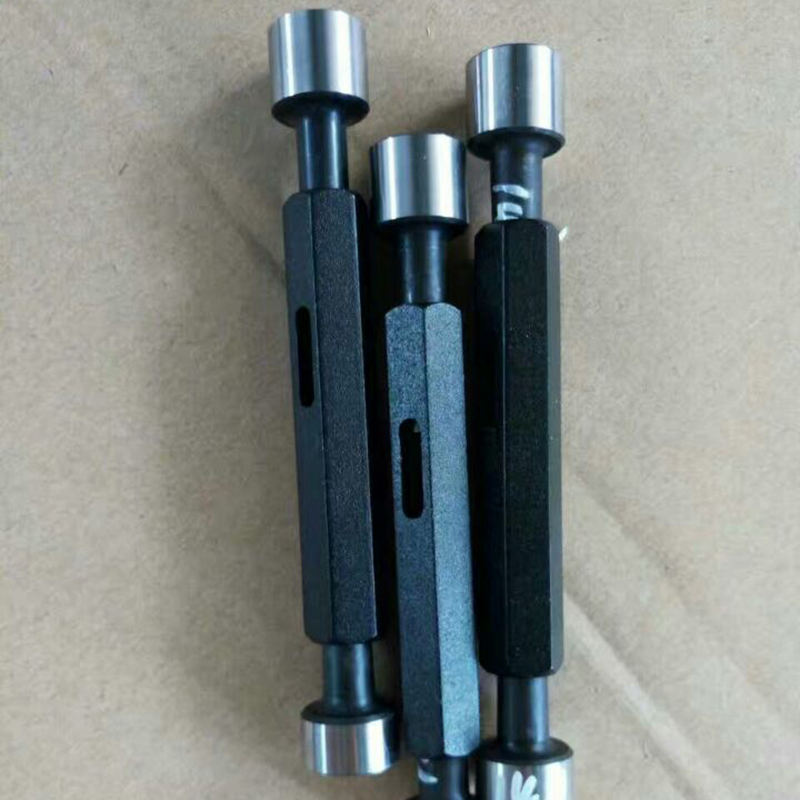
Accurate measurements are crucial in metalworking and engineering. From simple rulers to high-precision digital tools, the market offers a variety of measuring tools for sale that suit different industrial applications. These tools help ensure that materials are cut, shaped, and assembled with accuracy, contributing to the overall quality and functionality of a product. Selecting the right measuring tool depends on the required precision, the type of material being worked on, and the scale of the project. Common measuring tools include: Calipers : Ideal for precise internal and external measurements. Micrometers : Offer even finer accuracy for small-scale measurements. Tape Measures : Often used for larger, less precise measurements in initial stages. Digital gauges : Provide high accuracy and can be connected to software for data recording. Available Types: Manual calipers, micrometers, and digital versions. Digital and analog gauges. Laser and optical measurement tools for high-precision tasks. Engineering Measuring Tools for Precision Projects In the field of engineering, precision is paramount. Engineering measuring tools are designed to ensure that projects meet strict design tolerances. These tools are used for everything from assessing material dimensions to verifying alignment and ensuring the accuracy of mechanical components. Some key engineering measuring tools include: Vernier Calipers : Provide highly accurate measurements of internal, external, and depth dimensions, often used in mechanical engineering. Dial Indicators : Used to measure small distances or variations, often in alignment and deflection testing. Laser Measuring Tools : Offer highly accurate distance measurement for both large and small projects. Height Gauges : Used for vertical measurement and marking of workpieces, essential in precision engineering. For engineers, accuracy is the most critical factor when choosing tools. Many of these instruments come with calibration features or are sold with certified accuracy levels to ensure they meet industry standards. Common Tools: Vernier and digital calipers. Dial indicators and height gauges. Precision laser and optical measurement tools. Applications of Gauge Measurement Tools Gauge measurement tools are commonly used in both metalworking and engineering fields to measure various dimensions such as thickness, depth, height, and pressure. These gauges come in several types, each designed for specific applications. Examples of gauge measurement tools include: Feeler Gauges : Used to measure gap widths and clearance between parts, commonly applied in automotive repair and maintenance. Dial Gauges : Measure small linear distances with precision, typically used for alignment checks and precision machining. Thread Gauges : Determine the size, pitch, and diameter of screws and bolts. Pressure Gauges : Monitor fluid pressure in systems like HVAC or hydraulics. Each gauge serves a specific function, ensuring that critical measurements are within acceptable tolerances and that machinery, products, or components work correctly. Common Gauge Types: Feeler gauges for measuring gaps. Dial indicators for linear displacement. Pressure gauges for monitoring system pressures. Importance of Level Measurement Tools in Construction and Metalwork Level measurement tools are essential for ensuring horizontal or vertical alignment in construction, engineering, and metalworking. These tools help verify that surfaces, structures, or components are level and aligned correctly, which is vital for safety and performance. Some of the commonly used level measurement tools include: Spirit Levels : These traditional levels use a liquid-filled vial with an air bubble to determine if a surface is level or plumb. Laser Levels : Provide precise horizontal and vertical alignment using a laser beam, commonly used in construction, engineering, and carpentry. Inclinometers : Measure the angle of tilt or slope, often used in civil engineering and surveying. Digital Levels : Offer high precision and are equipped with digital displays for ease of use, especially in metalworking and construction. These tools ensure the correct positioning of machinery, workpieces, or structures, leading to improved accuracy and safety during construction or assembly. Popular Tools: Spirit levels for general use. Laser levels for large-scale projects. Digital inclinometers for precise angle measurement. Measuring Tools in Metal Work : Ensuring Accuracy and Quality Measuring tools in metal work are essential for maintaining the tight tolerances required in machining, fabrication, and manufacturing processes. Accurate measurements ensure that parts fit together as designed, maintain structural integrity, and function as intended in mechanical systems. In metalworking, precise measurements are required at every stage, from cutting raw materials to final assembly. Some key tools include: Micrometers : Provide precise measurements of small distances or thicknesses, often used in machine shops. Combination Squares : Used for measuring angles and marking straight edges during metal fabrication. Protractors : Ensure accurate angle measurements and cuts, particularly in sheet metal work. Depth Gauges : Used to measure the depth of holes or slots in metal workpieces. These tools allow metalworkers to achieve the precise cuts, shapes, and dimensions necessary for high-quality metal components. Digital versions of these tools are becoming increasingly popular for their ease of use and enhanced precision. Commonly Used Tools: Micrometers for precision measurement. Protractors for angle measurement. Combination squares for marking and measuring edges. Whether you're an engineer, metalworker, or involved in construction, having the right measuring tools is essential for accuracy, precision, and quality in your projects. From gauge measurement tools for intricate measurements to level measurement tools ensuring proper alignment, the market offers a wide variety of engineering measuring tools that cater to diverse applications. Explore the range of measuring tools for sale today to elevate your projects with professional-level precision.
-

High quality industrial productsagement

High quality industrial products
View Details -

Meet the diverse needs of customers

Meet the diverse needs of customers
View Details -

Strict quality control

Strict quality control
View Details -

Top raw materials

Top raw materials
View Details -

Trusted supplier

Trusted supplier
View Details
Our application

news and information
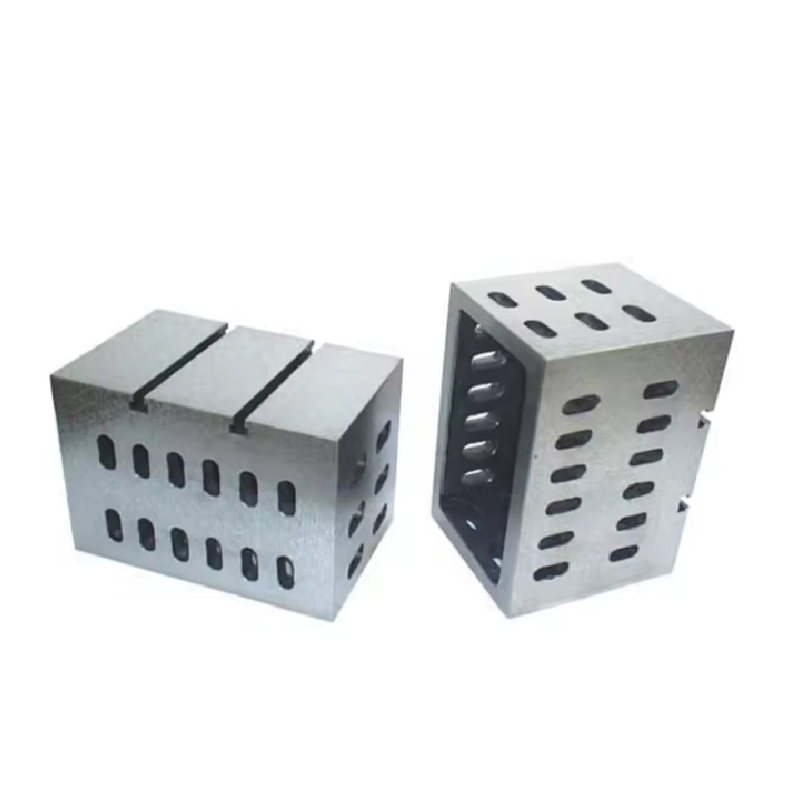
Welding Tables Available for Purchase at Competitive Prices
welding tables for sale .

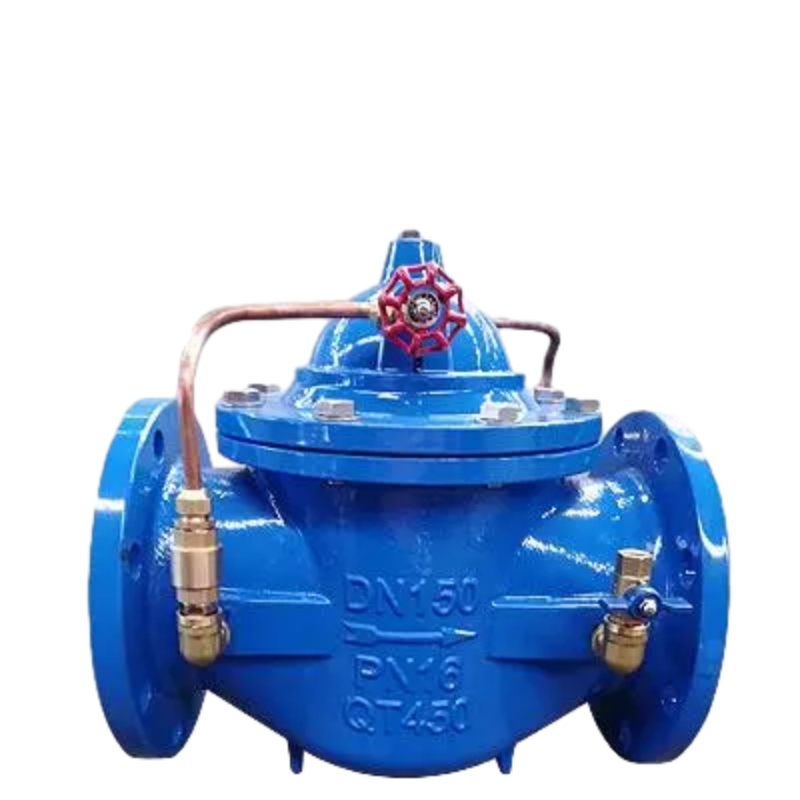
water pressure check valve
Understanding Water Pressure Check Valves Importance, Functionality, and Maintenance Water pressure

Valvola filtro tipo y
La Valvola Strainer di Tipo Y Importanza e Funzionamento La valvola strainer di tipo Y è un componen
 English